Westfield Stratford Upholstery Cleaning Near Olympic Park
If your sofa is looking tired after a few busy months near Westfield Stratford, or a favourite armchair has picked up that unmistakable lived-in smell, you are in the right place. Westfield Stratford Upholstery Cleaning Near Olympic Park is less about glamour and more about making everyday furniture look, feel, and smell better again. That matters more than people think. Upholstery takes a beating from commuter life, family life, pets, takeaway nights, and the general pace of London living. This guide walks through what professional upholstery cleaning involves, why it is worth considering, how it works, and what to look out for before you book.
We will keep it practical. No fluff, no overblown promises. Just the kind of advice that helps you decide whether your fabric sofa, dining chairs, or office seating needs a deep clean, a targeted stain treatment, or a bit of honest maintenance. And yes, there is a bit of local context too, because cleaning furniture in Stratford is not quite the same as in a quiet little village somewhere. Let's face it, dust, traffic, pet hair, and daily use do not ask permission.
Why Westfield Stratford Upholstery Cleaning Near Olympic Park Matters
Upholstery is one of those things people stop noticing until it starts looking a bit grim. Then suddenly every mark, watermark, and flattened patch jumps out at you. Near Westfield Stratford and Olympic Park, that problem can build up quickly because the area sees heavy footfall, busy households, renters turning over furniture, and commercial spaces that need to look welcoming all the time.
Cleaning upholstery properly is not just about appearance. Fabric fibres trap dust, pollen, skin particles, food residue, and pet dander. Over time, that can create dullness, lingering smells, and a general sense that the room needs freshening up. If you have ever walked into a living room on a warm afternoon and caught a faint stale scent from the sofa, you will know exactly what I mean. Not pleasant.
There is also a practical side. Regular upholstery care can help protect fabrics from premature wear, which is especially useful for households with children, pets, or lots of guests. In flats around Stratford, where space is often tight and furniture works hard, a good clean can make a room feel lighter and cleaner without replacing anything. That is a win, frankly.
For local homes and businesses, clean upholstery also supports a better first impression. Reception seating, waiting-room chairs, cafe banquettes, and shared office furniture all say something about standards. A saggy, stained chair can quietly undermine everything else around it. On the other hand, fresh fabric helps a space feel looked after.
If you are comparing broader fabric care options, it can help to look at related services too, such as sofa cleaning, targeted stain removal, and pet stain and odour removal. They often overlap in real-life cleaning jobs.
How Westfield Stratford Upholstery Cleaning Near Olympic Park Works
Professional upholstery cleaning usually starts with a fabric check. That sounds simple, but it is where a lot of value sits. Different materials react differently to water, heat, agitation, and detergents. Microfibre, wool blends, cotton, velvet, and synthetic fabrics all need slightly different handling. Leather is its own thing entirely, and should never be treated like a generic cloth sofa. Different again, different rules.
The cleaner will typically inspect the item for visible stains, wear, loose seams, dye issues, and fabric care labels. Then the method is chosen based on the material and the condition of the upholstery. In many cases, pre-treatment is applied to break down grease or mark-heavy areas before the main clean begins.
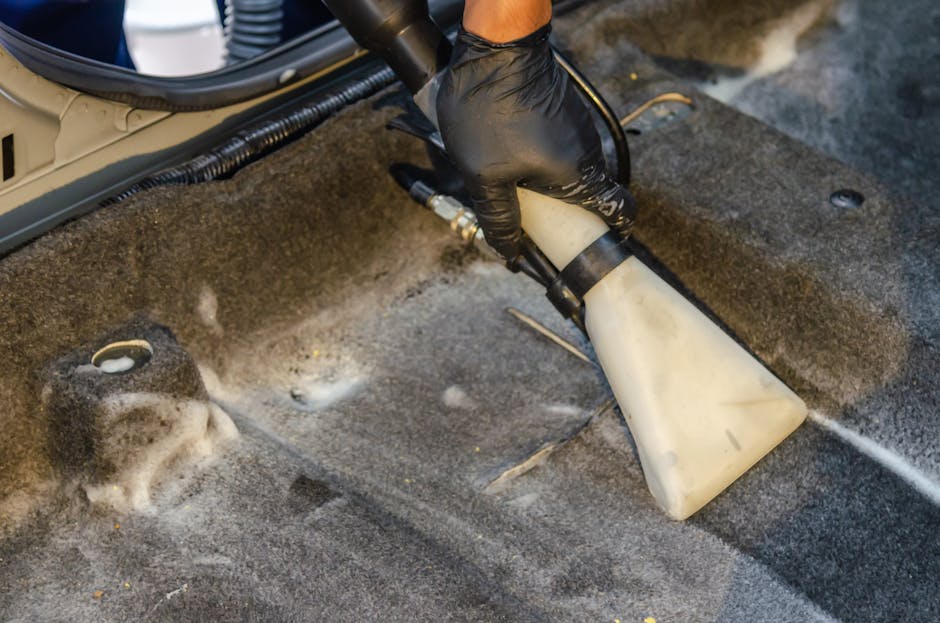
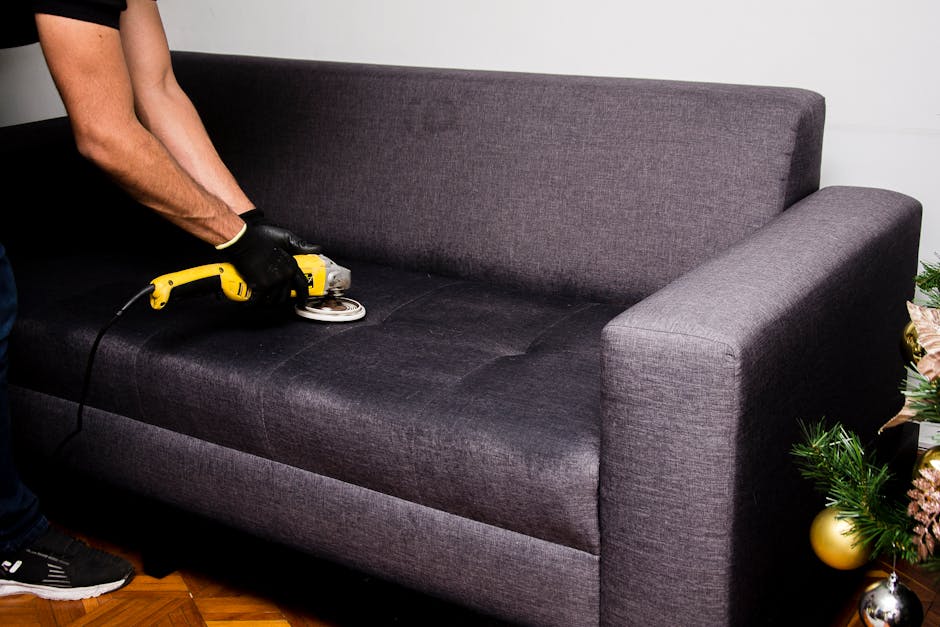
A common approach is hot-water extraction for suitable fabrics. This involves applying cleaning solution and then extracting moisture, dirt, and residue with specialist equipment. It is often referred to as steam cleaning in casual conversation, although in practice it is usually a controlled wet-clean process rather than literal steam alone. Some items need low-moisture or dry-clean style care instead, especially if the fabric is delicate or prone to shrinkage.
There is usually a final inspection once the clean is done. That part matters. A decent technician should check for any remaining marks, advise on drying time, and explain what to expect next. You may still see some slight shading or pre-existing wear after cleaning, because not every mark can be erased completely. Honest expectations are a good sign.
If you also need carpets in the same property dealt with, a combined visit with professional carpet cleaning or steam carpet cleaning can be a sensible way to tackle the whole room in one go.
Key Benefits and Practical Advantages
People often think upholstery cleaning is mostly cosmetic. It is that, sure. But there are several practical advantages worth paying attention to.
- Better appearance: Fabrics look brighter, fresher, and more even in tone.
- Reduced odours: Food smells, pets, and general day-to-day buildup are easier to remove.
- Improved comfort: Clean fibres feel nicer and less gritty against skin and clothing.
- Longer furniture life: Dirt acts like sandpaper over time, wearing fabric down.
- Healthier-feeling spaces: Dust and allergens can be reduced, though cleaning is not a medical treatment.
- Better presentation: Helpful for rentals, landlords, offices, hospitality spaces, and show homes.
Another practical advantage is flexibility. A good upholstery clean can be done around real life, not just ideal life. In other words, you do not need to rip the living room apart for the day. You may need to shift a few cushions, clear the area, and allow drying time, but that is usually manageable. In a busy Stratford household, manageable counts.
There is also the emotional side, if we are being honest. A sofa that looks and smells better makes a room feel calmer. It sounds small, but it changes how you use the space. You sit down differently when the room feels cared for. Bit odd, perhaps, but true.
Who This Is For and When It Makes Sense
Westfield Stratford upholstery cleaning near Olympic Park makes sense for a wide range of people, and the triggers are not always dramatic. You do not need a huge stain to justify it.
Homeowners and tenants: If your sofa, dining chairs, or fabric headboard has started to look flat, dull, or marked, a clean can restore confidence in the room. This is especially helpful before moving out, hosting guests, or preparing a flat for sale.
Families: Spills happen. Milk, juice, crayons, snacks, mud from school runs - all the usual suspects. In homes with children, upholstery simply gets more use and more contact.
Pet owners: Pet fur and odours build up quietly. Even when a sofa looks clean, the smell can tell a different story. That is where specialist treatment can help.
Businesses: Offices, salons, clinics, waiting rooms, cafes, and serviced apartments all rely on seating that looks presentable. If furniture is part of the customer experience, maintenance should not be left too long.
Landlords and letting agents: Turnaround cleaning often includes soft furnishings. A clean sofa or chair can make a property feel much more ready for viewings.
When does it make most sense? Usually after a noticeable spill, before a seasonal refresh, at tenancy changeover, after a pet-related incident, or when the fabric simply no longer looks right under daylight. Morning light is unforgiving. It shows everything.
Step-by-Step Guidance
If you are planning a clean, here is a straightforward way to approach it without overthinking the whole thing.
- Check the fabric type. Look for the manufacturer's care label if you can find it. This gives a strong clue about whether wet cleaning is suitable.
- Identify the problem areas. Note stains, odours, discolouration, high-contact zones, and any damage like pulled threads or loose piping.
- Move small items out of the way. Cushions, throws, lamps, side tables, and fragile ornaments should be cleared before the visit.
- Ask about the method. A proper clean may use hot-water extraction, low-moisture treatment, spot cleaning, or a hybrid approach.
- Discuss stain risks honestly. Some marks may be reduced rather than fully removed. Old dye transfer and sun fading can be stubborn.
- Allow proper drying time. Do not rush to sit on the furniture too soon. Open windows if possible and keep the area ventilated.
- Follow aftercare advice. Simple steps like blotting future spills quickly can make a surprising difference.
A small but useful detail: vacuuming before treatment is often a smart move, especially around seams and under cushions. It removes loose grit so the cleaning process can focus on embedded soil rather than surface debris. Not glamorous, but effective.
Expert Tips for Better Results
These are the little things that tend to separate a decent result from a genuinely good one.
- Act quickly on spills. The sooner a stain is treated, the better the odds. Blot, do not rub. Rubbing usually pushes the problem deeper.
- Test before using anything at home. If you try a spot cleaner yourself, always test on a hidden area first. Fabric dye can be surprisingly temperamental.
- Be careful with over-wetting. Too much liquid can leave rings, slow drying, or worsen backing issues in some fabrics.
- Use the right attachment. Specialist upholstery tools matter because they control moisture and agitation better than a general-purpose nozzle.
- Pair cleaning with odour treatment when needed. If smell is the issue, surface cleaning alone may not be enough.
- Think about the rest of the room. Curtains, carpets, and rugs often carry the same dust load, so cleaning one item in isolation can feel a bit incomplete.
Here is a small real-world observation. In homes near busy transport routes and retail areas, the furniture often picks up a mix of fine dust and everyday grime that does not look dramatic until you wipe a white cloth over it. Then suddenly, oh. Right. That was there all along.
If you are building a broader fabric-care plan, related services like curtain cleaning and rug cleaning can help keep the whole room consistent rather than cleaning one item and leaving the others behind.
Common Mistakes to Avoid
Upholstery cleaning can go wrong in predictable ways. Avoiding these mistakes saves a lot of frustration.
- Using the wrong product for the fabric. What works on a synthetic chair may damage a delicate sofa cover.
- Scrubbing hard at stains. This is one of the quickest ways to rough up fibres and spread the stain.
- Skipping the fabric check. If the material is not suitable for wet cleaning, forcing the issue can create shrinkage or watermarking.
- Expecting old damage to disappear completely. Stains, sun fade, and worn patches are not the same thing.
- Not allowing enough drying time. Sitting on damp upholstery too soon can flatten fibres and bring dirt back to the surface.
- Choosing a cleaner only on price. Cheap can turn expensive fast if the wrong method is used.
To be fair, most mistakes happen because people are trying to fix the problem quickly. That is understandable. But haste and upholstery do not always get along. A calmer, more measured approach usually wins.
Tools, Resources and Recommendations
You do not need a warehouse of equipment to maintain upholstery well, but a few tools are genuinely useful.
- Vacuum with upholstery attachment: Good for regular maintenance, seams, and under cushions.
- Soft brush: Helpful for lifting dust and debris without stressing the fabric.
- White microfibre cloths: Ideal for blotting spills and checking how much soil is transferring.
- Fabric-safe spot cleaner: Useful only when appropriate for the material and after patch testing.
- Fan or good ventilation: Helps with drying after a proper clean.
When choosing a provider, look for clear communication, sensible expectations, and proper insurance cover. A good sign is when someone explains the method in plain English rather than hiding behind jargon. You should also be able to ask about aftercare, drying times, and what happens if the stain does not fully lift.
For reassurance around business practices and customer care, it is sensible to review pages such as about the company, insurance and safety, health and safety policy, and pricing and quotes. Those pages help set expectations before anyone arrives with equipment in hand.
Law, Compliance, Standards, or Best Practice
For upholstery cleaning in the UK, the main thing is good working practice and sensible care around safety, chemicals, and customer property. There is no need to overcomplicate it, but it is worth knowing the basics.
Cleaners should use suitable products for the surface being treated, follow manufacturer guidance where available, and take care with ventilation and drying. If chemicals are used, they should be handled responsibly and stored properly. That is common-sense territory, but common sense needs mentioning sometimes.
For homes, the practical concern is avoiding damage to furniture, flooring, and nearby items. For businesses, there may also be expectations around safe access, service timing, and keeping public areas clear while work is underway. In shared buildings around Stratford, that can matter quite a bit.
If the service is being booked for a commercial setting, it is wise to ask about risk awareness, insurance, and any relevant after-hours planning. A provider that thinks ahead is usually easier to work with. If you want to understand the company's wider standards, it can help to review terms and conditions and the recycling and sustainability approach as well.
Options, Methods, or Comparison Table
Different upholstery jobs call for different methods. Here is a simple comparison to make the choices easier.
| Method | Best for | Strengths | Things to watch |
|---|---|---|---|
| Hot-water extraction | Many synthetic and durable fabric items | Deep cleaning, good soil removal, strong overall refresh | Needs suitable drying time; not ideal for every fabric |
| Low-moisture cleaning | Delicate or moisture-sensitive upholstery | Faster drying, gentler approach | May need more careful stain work |
| Spot treatment | Localised stains or spills | Targets the problem area directly | Not always enough on its own |
| Dry-clean style treatment | Fabric that should not be saturated | Reduces moisture risk | Results vary by fabric and soil type |
In practice, a good cleaner will not force every sofa into the same method. That would be lazy, and upholstery tends to punish laziness. The right choice depends on fibre type, age, staining, and how much traffic the furniture gets.
Case Study or Real-World Example
Here is a realistic example from the kind of work that comes up around Stratford. A family in a flat near the Olympic Park had a pale fabric corner sofa that looked fine from across the room, but up close it was carrying the usual signs of real life: drink marks on one seat, faint pet odour, and a darkened armrest where everyone tended to sit.
They were not after perfection. They just wanted the sofa to look respectable again, and to stop the room smelling slightly stale in the evenings. The cleaner first checked the fabric, then treated the armrests and seating areas, then worked through the main body of the sofa with a suitable extraction method. The stains did not vanish like magic, because that is not how this works, but the sofa looked lighter, smelled fresher, and felt less tired overall.
The biggest improvement, by all accounts, was actually emotional rather than visual. The room felt usable again. They stopped avoiding the front edge of the sofa and started enjoying the space properly. That happens a lot, truth be told. People think they want a cleaner sofa; what they really want is to like their living room again.
Practical Checklist
Use this quick checklist before your upholstery cleaning appointment or DIY maintenance session.
- Check the fabric care label, if available
- Identify stains, odours, and high-wear areas
- Vacuum loose dust and crumbs from seams and cushions
- Move small furniture and fragile items out of the way
- Ask what method is suitable for the fabric
- Confirm drying time and aftercare advice
- Keep children and pets away from freshly cleaned upholstery
- Plan for ventilation if possible
- Inspect the result in natural light once dry
- Book follow-up care if the item is heavily used
Expert summary: If you want the best long-term result, treat upholstery as part of the room's overall maintenance, not as an isolated emergency fix. The best outcomes usually come from the right method, realistic expectations, and a bit of aftercare. Nothing fancy. Just sensible, consistent care.
Conclusion
Westfield Stratford upholstery cleaning near Olympic Park is a smart choice when your furniture needs more than a quick surface wipe. It helps restore appearance, remove odours, and extend the life of the pieces you use every day. Whether you are dealing with family life, pet hair, tenant changeovers, or commercial seating that needs to stay presentable, the right clean can make a meaningful difference.
The important thing is to choose the right method for the fabric, avoid rushed DIY fixes, and work with a provider that explains what they are doing clearly. That way, you get a better result and fewer surprises. Simple, really.
If you are ready to refresh your furniture and want a straightforward next step, use the service information, policy pages, and pricing details to plan your booking with confidence. A cleaner room often starts with one item, then somehow the whole space lifts with it. Nice feeling, that.
Get a free quote today and see how much you can save.
Frequently Asked Questions
How often should upholstery be professionally cleaned near Westfield Stratford?
For many homes, every 12 to 18 months is a sensible starting point, though busy households, pets, or commercial seating may need attention more often. If the fabric looks dull or smells stale before then, that is usually your sign.
Can all upholstery fabrics be steam cleaned?
No, not all fabrics are suitable for wet or steam-style cleaning. Some materials need low-moisture treatment or dry cleaning methods instead. Always check the care label and fabric type first.
Will upholstery cleaning remove old stains completely?
Not always. Fresh spills are usually easier to deal with than old, set-in marks. Some stains can be reduced significantly, while others may only improve partially if the fabric has already been damaged.
How long does upholstery take to dry?
Drying time depends on the fabric, the cleaning method, room ventilation, and humidity. Some items dry within a few hours, while others may take longer. It is best not to rush seating back into use too soon.
Is upholstery cleaning safe for homes with pets and children?
Yes, when suitable products and methods are used and the furniture is allowed to dry properly. If you have pets or little ones, keeping them off the area during and after cleaning is the safest approach.
What is the difference between sofa cleaning and upholstery cleaning?
Upholstery cleaning is the broader term. It includes sofas, chairs, benches, headboards, and other fabric-covered furniture. Sofa cleaning is simply one part of upholstery cleaning.
Can upholstery cleaning help with odours?
Yes, especially when the odour comes from trapped dirt, body oils, food residue, or pets. Stronger smells may need targeted treatment rather than a standard surface clean alone.
Should I vacuum before the cleaner arrives?
Yes, if you can. Removing loose dust and crumbs first makes the cleaning process more effective and helps the technician focus on embedded soil and stains.
What should I ask before booking an upholstery cleaner?
Ask about the cleaning method, whether your fabric is suitable, estimated drying time, stain expectations, insurance, and aftercare advice. A clear answer is usually a good sign.
Is upholstery cleaning worth it for rented properties?
Often, yes. Clean upholstery can improve the look and feel of a property between tenancies and may help it feel more welcoming for viewings. It is especially useful if the furniture is staying in place.
Do I need to move furniture myself?
Usually only smaller items need to be moved. Larger furniture may stay in place, depending on the room layout and what needs cleaning. It is best to ask beforehand so you know exactly what to prepare.
What if my sofa has both stains and pet odour?
That is very common, actually. In many cases, a combination of stain treatment and odour-focused cleaning gives the best result. Mention both issues at the start so the right approach can be chosen.