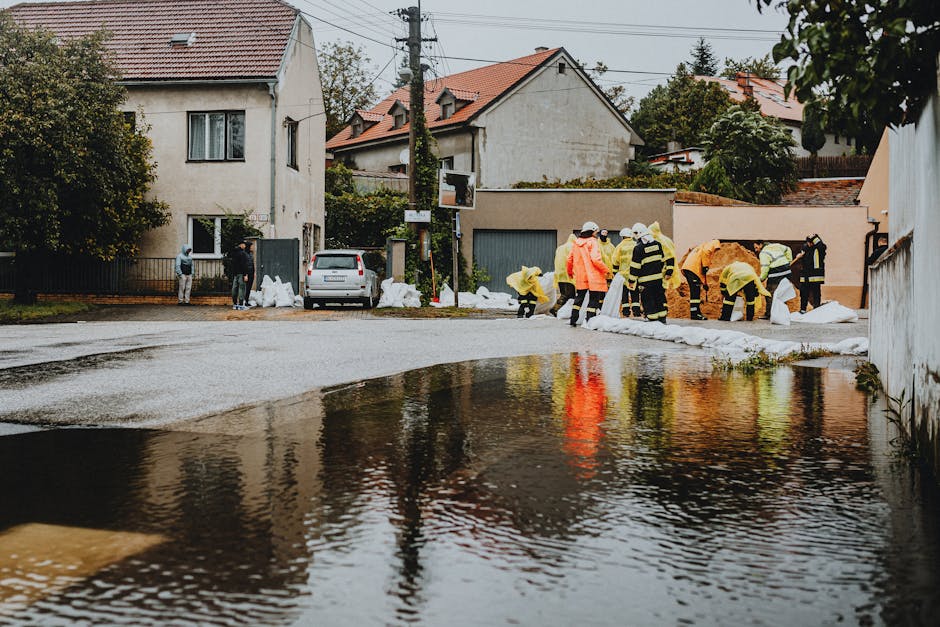
Stratford Station Carpet Cleaning After Floods Emergency Response
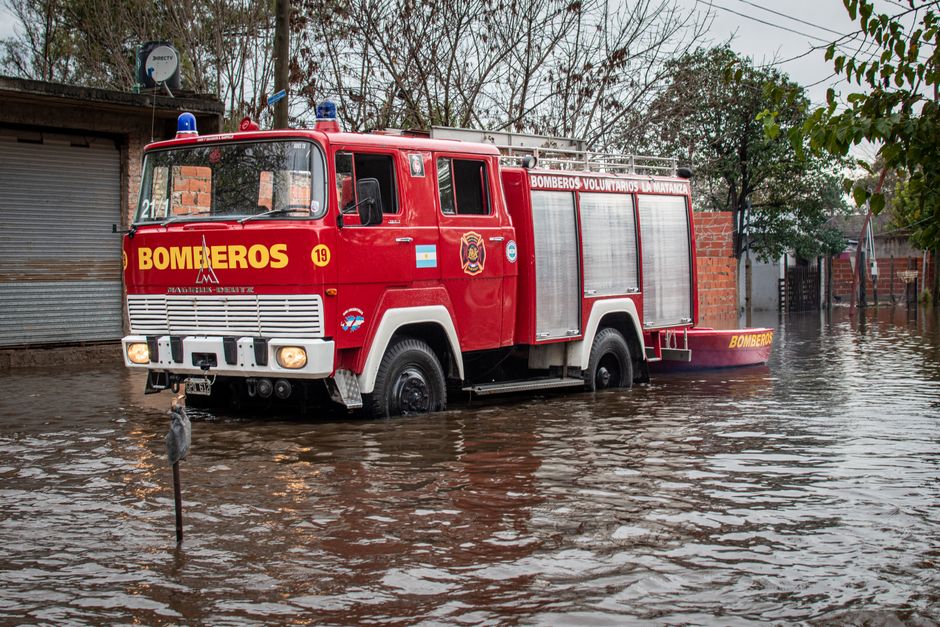
If your carpets have been hit by floodwater near Stratford Station, the clock starts ticking straight away. Damp underlay, lingering smells, hidden bacteria, and that horrible soft squelch underfoot can turn a manageable mess into a much bigger job before the day is out. This guide to Stratford Station Carpet Cleaning After Floods Emergency Response explains what to do, why rapid action matters, and how a proper emergency response helps protect flooring, furniture, and indoor air quality. It is written for anyone dealing with a soaked home, shop, office, or managed property, and it keeps things practical rather than dramatic. Let's get into it.
Why Stratford Station Carpet Cleaning After Floods Emergency Response Matters
Flooding is not just about water sitting on the surface. Carpet acts like a sponge, and once moisture gets into the pile, backing, underlay, and subfloor, the problem starts spreading in layers. Around Stratford Station, where properties often see steady foot traffic and mixed-use spaces, even a relatively small flood can cause a surprisingly awkward chain reaction: damp fibres, trapped silt, a musty smell, and in some cases permanent shrinkage or delamination.
To be fair, people often assume they can just dry the top and move on. That works sometimes with a clean spill. It is a different story after floodwater. If the water has come from outside, a burst pipe, a drainage issue, or contaminated runoff, you need a more careful response. Fast carpet cleaning after floods is about limiting secondary damage, not just making the room look tidy again.
It also matters for health. Wet carpets can become a breeding ground for unpleasant odours and microbial growth, especially when drying is slow. You may not see the full issue on day one, which is exactly why emergency response needs to be methodical. A room that smells "a bit off" in the morning can smell unmistakably bad by the evening. Nobody wants that.
There is another reason this matters locally. Stratford Station sits in a busy urban environment, so properties nearby often need a response that is quick, tidy, and minimally disruptive. For landlords, facilities managers, and business owners, downtime is the real enemy. A strong emergency carpet cleaning plan helps you reopen sooner and avoids the domino effect that can follow water damage.
Expert summary: after flooding, the goal is not simply to clean carpets. The goal is to stabilise the space, remove moisture safely, reduce contamination, and prevent hidden damage from settling in.
How Stratford Station Carpet Cleaning After Floods Emergency Response Works
An emergency carpet cleaning response after flooding is usually a staged process. It is part assessment, part extraction, part drying, and part restoration judgement. The exact sequence depends on how wet the carpet is, how long it has been saturated, and what the floodwater contains.
In practice, the process usually begins with a quick inspection. The technician looks at the source of the water, the carpet type, the underlay, the room layout, and any nearby items that could absorb moisture, such as sofas, curtains, rugs, or mattresses. If the room is heavily affected, the first job is often to remove standing water and protect the rest of the property from spread.
After that comes moisture extraction. This may involve powerful wet vacuums, hot water extraction in some cases, air movers, dehumidification, or a combination of methods. With flood-affected carpets, drying strategy matters as much as cleaning. If the surface looks fine but the underlay remains soaked, the issue is not solved. It is merely hidden, which is worse.
Once the carpet is stabilised, the cleaning stage addresses soil, residues, and staining. Floodwater can leave behind dirt lines, organic residue, and a persistent smell. In some cases, a specialist stain removal approach is needed if muddy marks or water lines remain after drying. If upholstered furniture or curtains were splashed, it can make sense to address those at the same time, especially in open-plan rooms where moisture and odour travel.
Finally, the area should be checked again after drying. A proper emergency response does not end when the machine switches off. You want to know whether the underlay is dry, whether the subfloor is affected, and whether any lingering odour suggests more work is needed. That second check is the bit people skip. Then they regret it, usually two days later.
Key Benefits and Practical Advantages
The biggest benefit is simple: you reduce the damage window. The sooner a wet carpet is treated, the better the chances of saving it. That can mean less replacement cost, less disruption, and fewer problems with mouldy smells or lingering damp.
Here are the most practical advantages people tend to notice:
- Faster drying: removing water early helps carpets and underlays recover sooner.
- Lower replacement risk: some carpets can be restored rather than ripped out.
- Better hygiene: prompt cleaning reduces the chance of unpleasant residues lingering.
- Improved air quality: less trapped moisture means fewer musty odours.
- Less business disruption: commercial premises can get back to normal more quickly.
- Better finish: professional treatment usually lifts flattening, staining, and water marks more effectively than casual DIY drying.
There is also a quieter benefit that people only appreciate later: peace of mind. Flood damage is messy, stressful, and a bit emotionally draining, especially if it happens before work or late in the evening. When someone takes control of the process properly, the room starts to feel manageable again.
If the flood has affected a workspace or rental property, you may also want to look at broader care for nearby soft furnishings. Pages like commercial carpet cleaning, upholstery cleaning, and curtain cleaning are useful when water has spread beyond the floor. That is often the case, honestly, because water loves to wander.
Who This Is For and When It Makes Sense
This kind of emergency response makes sense for anyone dealing with carpeted spaces that have been exposed to floodwater, major leaks, or storm-related water ingress. The most common situations include:
- Homes with wet lounge, hallway, or bedroom carpets
- Ground-floor flats where water has crept in from outside
- Shops, offices, and hospitality spaces near transport hubs
- Lettings and managed properties where fast turnaround matters
- Buildings with mixed flooring and soft furnishings that have absorbed moisture
If the carpet is only lightly damp from clean water and you caught it very early, DIY drying might be enough in a small area. But once water has pooled, soaked through, or brought in dirt, the balance changes. The more moisture there is, the more likely the underlay and subfloor need professional attention. That is the point where waiting becomes expensive.
Commercial clients often need a quicker decision-making path. One shop may be able to close a section and carry on. A busy office, not so much. In those cases, emergency carpet cleaning near Stratford Station is less about perfection and more about getting the environment safe, presentable, and dry enough to reopen.
It also makes sense when you can smell damp but cannot clearly see the problem. That smell is usually a clue. Not always dramatic, but definitely worth respecting.
Step-by-Step Guidance
If you are dealing with flood-damaged carpet right now, here is the sensible order of operations. No drama, just a method that works.
- Stop the water source if you safely can. Shut off the supply, move items, and avoid walking water through clean areas.
- Protect yourself first. Wear gloves if the water is dirty, and be careful around electrics. If in doubt, leave power isolation to a competent person.
- Remove loose items quickly. Furniture, rugs, boxes, and soft furnishings should be lifted away before moisture spreads further.
- Blot and extract standing water. Towels help on small areas, but a wet vacuum is much more effective for serious saturation.
- Check the carpet edges and underlay. Lift a corner if it is safe to do so. If water has reached underneath, drying becomes more urgent.
- Set up airflow and drying. Open windows if conditions allow, and use air movers or dehumidifiers where appropriate.
- Clean and sanitise the affected fibres. Use the right method for the carpet material and the source of the water.
- Monitor progress. A carpet can feel dry on top and still be wet below. Keep checking temperature, smell, and dampness.
- Book a follow-up inspection if needed. This is especially wise when the floodwater was significant or the carpet is fitted wall to wall.
One small but useful tip: if you can safely photograph the damage before moving everything around, do it. That helps with records for landlords, insurers, or internal reporting. It takes thirty seconds and can save a lot of back-and-forth later.
For cases where stains have set during drying, it may be worth combining flood recovery with stain removal or even steam carpet cleaning once the carpet is stable enough for deeper treatment. Timing matters here; rushing the wrong method can do more harm than good.
Expert Tips for Better Results
After enough flood jobs, a few patterns show up again and again. The better results usually come from the boring bits done well. Not glamorous, but true.
1. Act early, even if the room looks "not too bad". The visible surface is only part of the story. A carpet can look merely damp while the underlay is quietly soaking through like a sponge cake. If the smell is already changing, move fast.
2. Don't over-wet the carpet during cleaning. This sounds obvious, but people often make the mistake of "cleaning" flood damage with more water. That usually creates a longer drying cycle and can drive moisture deeper. Less is more, as annoying as that sounds.
3. Match the method to the water source. Clean water from a burst pipe is handled differently from water that has come in from outside or from drainage. The level of contamination changes the approach, the products, and the amount of caution needed.
4. Check nearby soft furnishings. A wet carpet rarely stays alone. Chair legs, curtain hems, skirting boards, and sofa bottoms can all pick up moisture. If the room still smells after the carpet seems dry, the source may be elsewhere.
5. Keep temperature and airflow balanced. Heating alone is not enough. Warm air without movement can make a room feel dry while damp pockets remain under the carpet. Airflow does the real work.
6. Think about odour early, not late. Odour is often one of the first things people notice and one of the last things to fully disappear if it is ignored. Once smells settle in, they are much harder to shift.
If you need advice on surrounding materials after a flood, pages such as rug cleaning, sofa cleaning, and pet stain odour removal can also be relevant, especially where moisture has made old smells more noticeable. Bit of an unpleasant combo, really.
Common Mistakes to Avoid
Flood recovery gets harder when people act on instinct alone. Understandable, of course. Nobody plans to become a carpet-drying expert before breakfast. Still, a few mistakes are common enough to deserve a clear warning.
- Waiting too long: every hour matters once carpet and underlay are saturated.
- Using the wrong cleaner: some products can set stains or damage fibres if used on waterlogged carpet.
- Ignoring the underlay: a dry surface does not mean the job is finished.
- Rubbing instead of lifting: rubbing mud or residue can push it deeper into the pile.
- Leaving furniture on wet carpet: this can cause rust marks, indentations, or transfer stains.
- Assuming smell will disappear on its own: odours often need active treatment.
- Skipping a follow-up inspection: hidden moisture is the sneaky one.
Another mistake is trying to treat every flood the same way. A small local leak, a hallway overflow, and a contaminated external flood are not identical situations. The cleanup needs to reflect that. There is no one-size-fits-all answer here, and anyone claiming otherwise is probably simplifying too much.
Tools, Resources and Recommendations
The right tools make emergency carpet cleaning faster, safer, and more reliable. You do not need a warehouse full of kit, but the essentials matter.
| Tool or Resource | What it does | Why it helps after flooding |
|---|---|---|
| Wet vacuum | Removes standing water from carpet and edges | Speeds up the first stage of recovery |
| Air movers | Pushes airflow across the carpet surface | Reduces drying time and helps moisture escape |
| Dehumidifier | Pulls moisture from the air | Prevents damp air from slowing the drying process |
| Moisture meter | Checks hidden dampness in carpet or subfloor | Helps verify whether the job is actually dry |
| Protective gloves | Protects hands during contact with dirty water or debris | Useful for health and basic safety |
| Absorbent towels and pads | Soak up light surface moisture | Handy for small areas and edges |
If you are comparing service options, look at more than just speed. Check whether the provider offers clear communication, sensible drying guidance, and proper insurance. The page on insurance and safety is a useful place to understand the sort of reassurance a professional service should give you. You may also want to review health and safety policy and pricing and quotes if you are comparing a few providers and want to know how the work is structured.
For business owners, it can also help to think about routine prevention. A space that is already cleaned and maintained tends to recover better after an incident. That is one reason ongoing carpet cleaning and maintenance can be a smart habit, not just a cosmetic one.
Law, Compliance, Standards, or Best Practice
Flood cleaning is one of those areas where common sense and good housekeeping matter a lot, but so does proper risk awareness. In the UK, you should always follow safe working practices around electricity, contaminated water, manual handling, and slip hazards. If you are managing a commercial site, you will also want to think about your own internal policies, especially where staff or visitors are on site during cleanup.
There is no single universal rulebook for every carpet flood scenario, because the right response depends on the water source, the materials involved, and the building layout. That said, a sensible professional approach usually includes:
- Assessing the risk before starting work
- Preventing slips and trip hazards
- Isolating affected areas where needed
- Using appropriate cleaning and drying methods for the material
- Checking for hidden moisture rather than only surface dryness
- Recording any damage or safety concerns for the property owner
If the water may be contaminated, a more cautious approach is needed. That may include disposal of unsalvageable underlay, deeper sanitisation, or in some cases recommending replacement rather than restoration. A good professional will say so plainly. No upsell theatrics, just a straight answer.
For organisations, it is wise to align cleanup with your own health and safety obligations, insurance expectations, and building access rules. If you need administrative or service detail, pages such as terms and conditions, payment and security, and about us can help set expectations before work starts.
Options, Methods, or Comparison Table
Not every flood-affected carpet needs the same intervention. Here is a practical comparison of the main approaches.
| Method | Best for | Pros | Limits |
|---|---|---|---|
| DIY towel drying and ventilation | Very small, clean spills caught immediately | Cheap, quick, easy to start | Weak for deep saturation; underlay may stay wet |
| Wet vacuum and airflow | Moderate dampness or early flood response | Removes more water, supports faster drying | May not be enough for heavy flooding or contamination |
| Professional emergency extraction and drying | Serious flood damage, large areas, commercial spaces | More thorough, safer, better for hidden moisture | Costs more than DIY, though often less than replacement |
| Partial carpet restoration or replacement | Severe contamination, damaged underlay, persistent odour | Resolves structural or hygiene issues | More disruptive; some materials may not be salvable |
The right choice depends on a few simple questions: how deep did the water go, what kind of water was it, and how quickly did you get to it? If you are unsure, err on the side of caution. Flood damage is one of those things that rewards caution and punishes delay.
Case Study or Real-World Example
A small professional office close to Stratford Station came in one rainy Monday morning to find water had entered through a low point near the entrance and spread into the carpeted reception area. The staff had already lifted a few chairs and placed towels down, which was a good start, but the carpet still felt heavy and cool underfoot, and there was that unmistakable damp smell hanging in the air.
The first step was to isolate the space and remove movable items. Next came extraction at the doorway and the most affected sections of carpet. The underlay at the edge had taken on more moisture than expected, so drying equipment was positioned to push air along the floor rather than across the room at random. That detail matters more than people think. Air needs a route.
By the second inspection, the top fibres were dry enough to walk on carefully, but moisture readings showed one corner still needed more attention. Rather than pretending the job was done, the team kept drying that zone and checked again later the same day. It sounds almost dull, but that follow-through is what prevents repeat problems.
The practical lesson? A flood response works best when it is quiet, prompt, and slightly obsessive about the details. Not glamorous. Very effective.
Practical Checklist
Use this checklist if you are dealing with flood-affected carpet near Stratford Station or anywhere else nearby. It keeps the next steps simple.
- Identify and stop the water source if safe to do so
- Keep people away from slippery or contaminated areas
- Move furniture, rugs, and loose items out of the wet zone
- Document visible damage with photos if possible
- Extract standing water promptly
- Set up airflow and dehumidification
- Check whether the underlay is wet, not just the carpet surface
- Clean the fibres using the correct method for the water source
- Watch for staining, odour, or delayed damp patches
- Arrange a follow-up check if the area was heavily soaked
If the issue has spread into adjacent soft furnishings, you may also want to look at mattress cleaning and rug cleaning so you can deal with the whole room properly rather than chasing problems one by one.
Quick takeaway: the best flood recovery is fast, careful, and measured. Get water out, dry the structure, and do not trust a carpet just because the top feels okay.
Conclusion
Stratford Station Carpet Cleaning After Floods Emergency Response is really about restoring control after a messy interruption. When water gets into carpet, you are not just dealing with a stain. You are dealing with drying time, hygiene, odour, hidden moisture, and sometimes the cost of avoidable replacement. The sooner the response starts, the better the outcome usually is.
For homes, that means less stress and a better chance of saving the floor covering you already have. For businesses, it means less downtime and fewer awkward explanations to staff, customers, or tenants. In both cases, the smartest approach is usually the same: assess carefully, dry thoroughly, and avoid rushing the wrong fix.
If you want a proper starting point, review the relevant service and trust pages, then take the next step when you are ready. A calm, organised response is worth a lot when the floor is still damp and the day has already gone sideways.
Get a free quote today and see how much you can save.
Frequently Asked Questions
How quickly should flood-damaged carpet be cleaned?
As quickly as possible. The longer carpet stays wet, the more likely you are to get hidden damp, odour, and damage to the underlay or subfloor. Early action gives you the best chance of saving the carpet.
Can a carpet be saved after flooding?
Sometimes, yes. It depends on the water source, how long it was wet, and whether the underlay or backing has been damaged. Clean water incidents are generally more salvageable than contaminated floods.
Do I need professional help for a small flooded area?
If the area is tiny and the water is clean, you may be able to manage it yourself. If the carpet is soaked, the smell is strong, or the water came from outside or drainage, professional help is usually the safer choice.
Why does my carpet smell after it has dried?
That usually means moisture or residue is still present somewhere in the carpet system, often in the underlay or nearby materials. Dry on top does not always mean dry underneath.
Is steam carpet cleaning suitable after flooding?
It can be, but only at the right stage. If the carpet is still heavily wet, the priority is extraction and drying first. Once stabilised, deeper cleaning methods may help with staining and residue.
What should I do first after a flood near Stratford Station?
Stop the water source if safe, remove valuables, and keep people away from slippery areas. Then focus on water extraction and drying. If the situation looks serious, get professional advice quickly.
Will floodwater damage the underlay?
Very often, yes. The underlay is usually more absorbent than the carpet surface and can hold moisture long after the top feels dry. That is why follow-up checks matter.
How do I know whether the carpet needs replacing?
If the water was contaminated, the carpet smells persistently, or the backing and underlay are damaged, replacement may be the sensible option. A proper inspection is the best way to judge it honestly.
Can flood cleaning help with stains left by dirty water?
Yes, often it can. Mud lines, silt marks, and water stains may respond well to targeted stain removal once the carpet is stable enough for treatment.
What if the flood affected more than just the carpet?
Then the job may need to include nearby items such as sofas, rugs, curtains, or mattresses. Treating only the carpet can leave smells and moisture behind elsewhere in the room.
How do I compare emergency carpet cleaning providers?
Look for clear explanation, sensible drying methods, insurance and safety detail, and transparent pricing. A good provider will explain what can be saved and what should not be forced.
Is there a good way to prevent repeat flood damage?
Not every flood can be prevented, but routine maintenance, quick leak reporting, and sensible building care can reduce the risk. Keeping carpets clean and monitored also helps spot problems earlier, which is handy even if it is not the most exciting part of property care.